
The basic layout of a drum kit
A typical drum kit is made up of two broad groups:
- Drums
- Cymbals
Let’s start by going through the basic parts one by one.
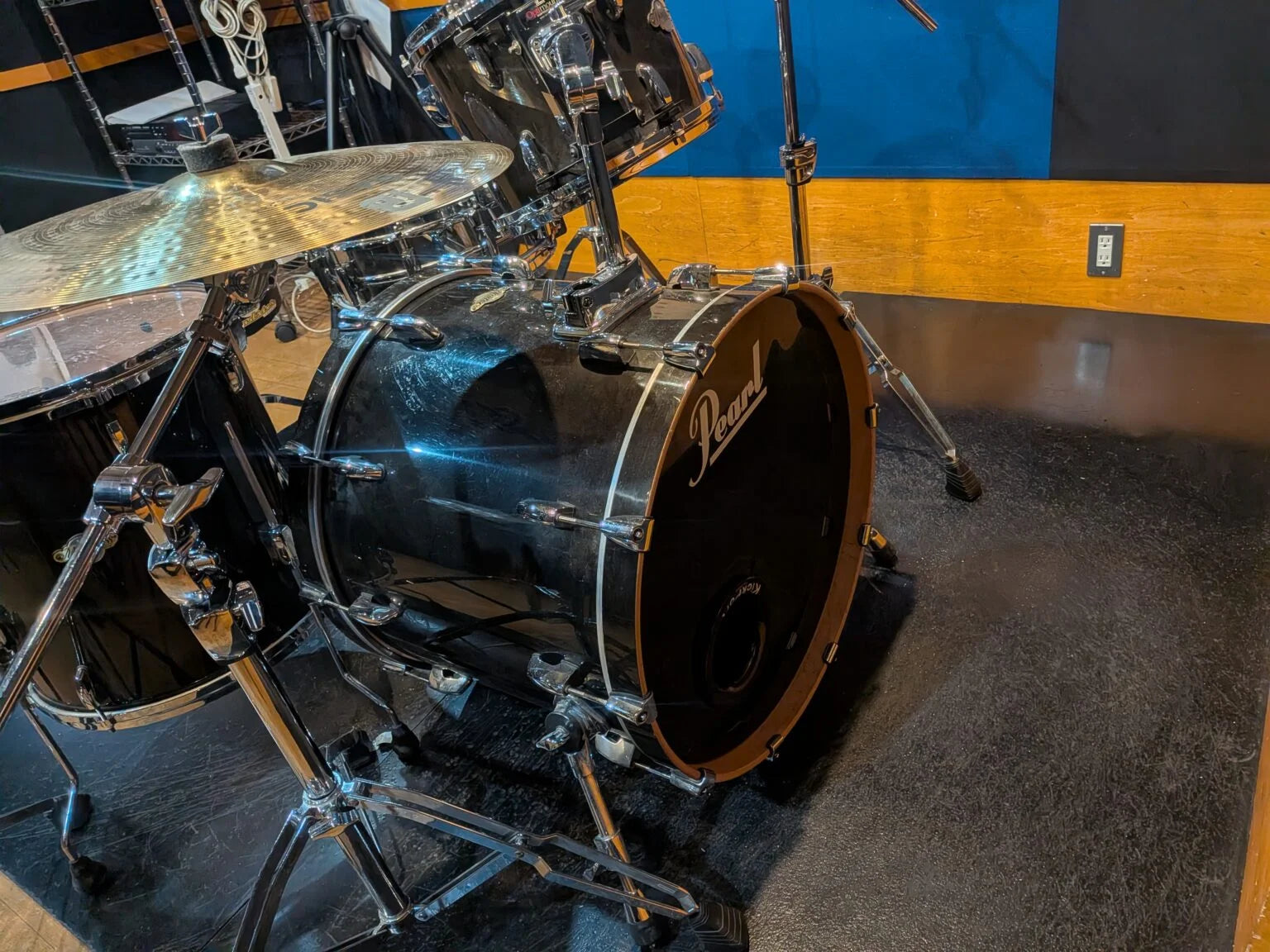
Bass drum: the low end that grounds the rhythm
The biggest drum, set in the middle of the kit, is the bass drum. You play it with your foot, using a pedal.
The bass drum covers the low end of the whole kit and plays a key role in keeping the rhythm steady. Together with the snare drum, it forms the basic rhythm patterns of music.
Snare drum: the most important, most played drum
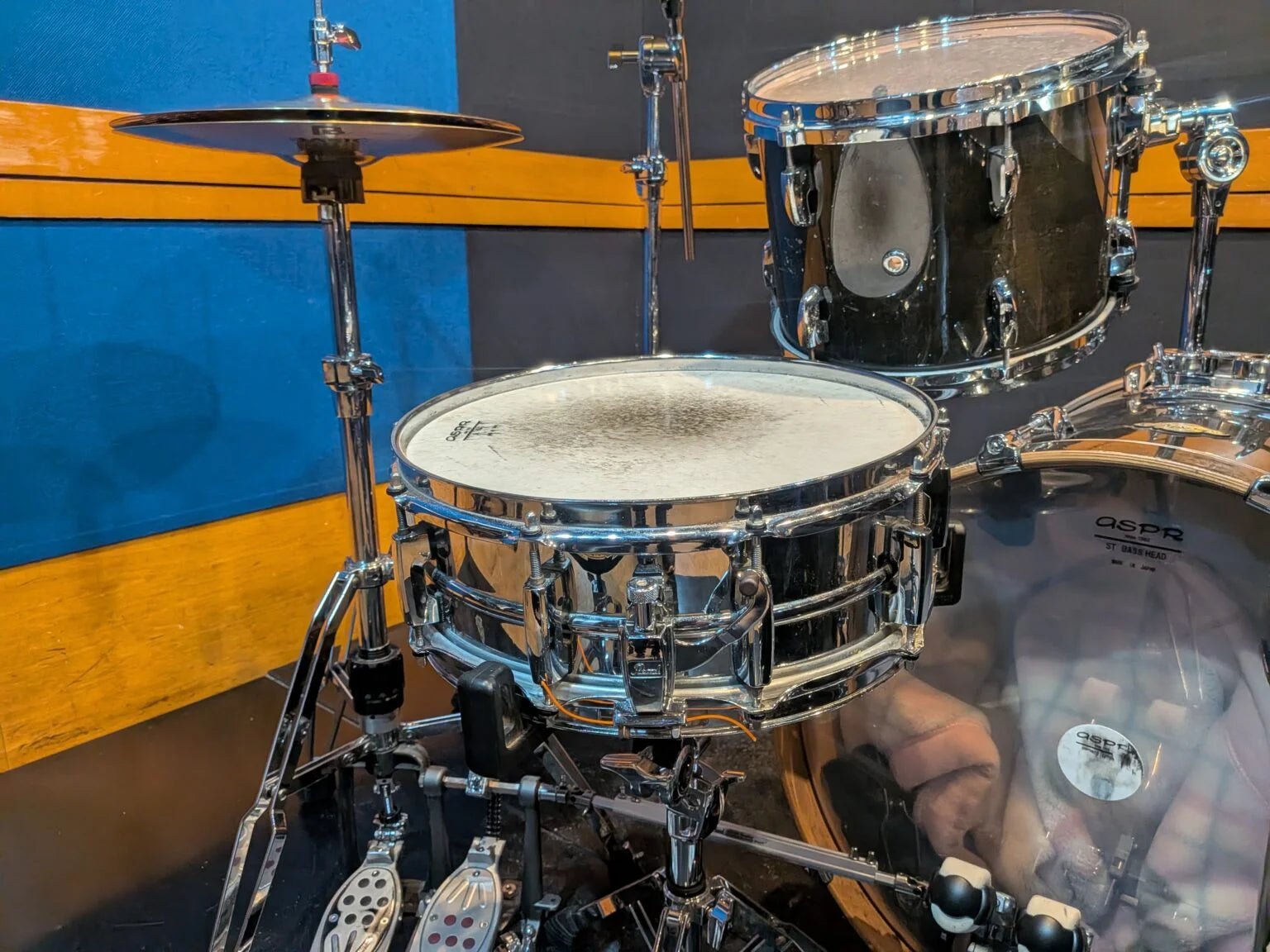
The snare drum is the drum you hit most often on the kit. It mainly covers the midrange and gives the rhythm a clear outline.
Its hallmark is a crisp, well-defined sound, thanks to the snares (metal wires) stretched across the bottom head.
Along with the bass drum, it sits at the center of drumming.
Toms and floor tom: the drums that connect your phrases
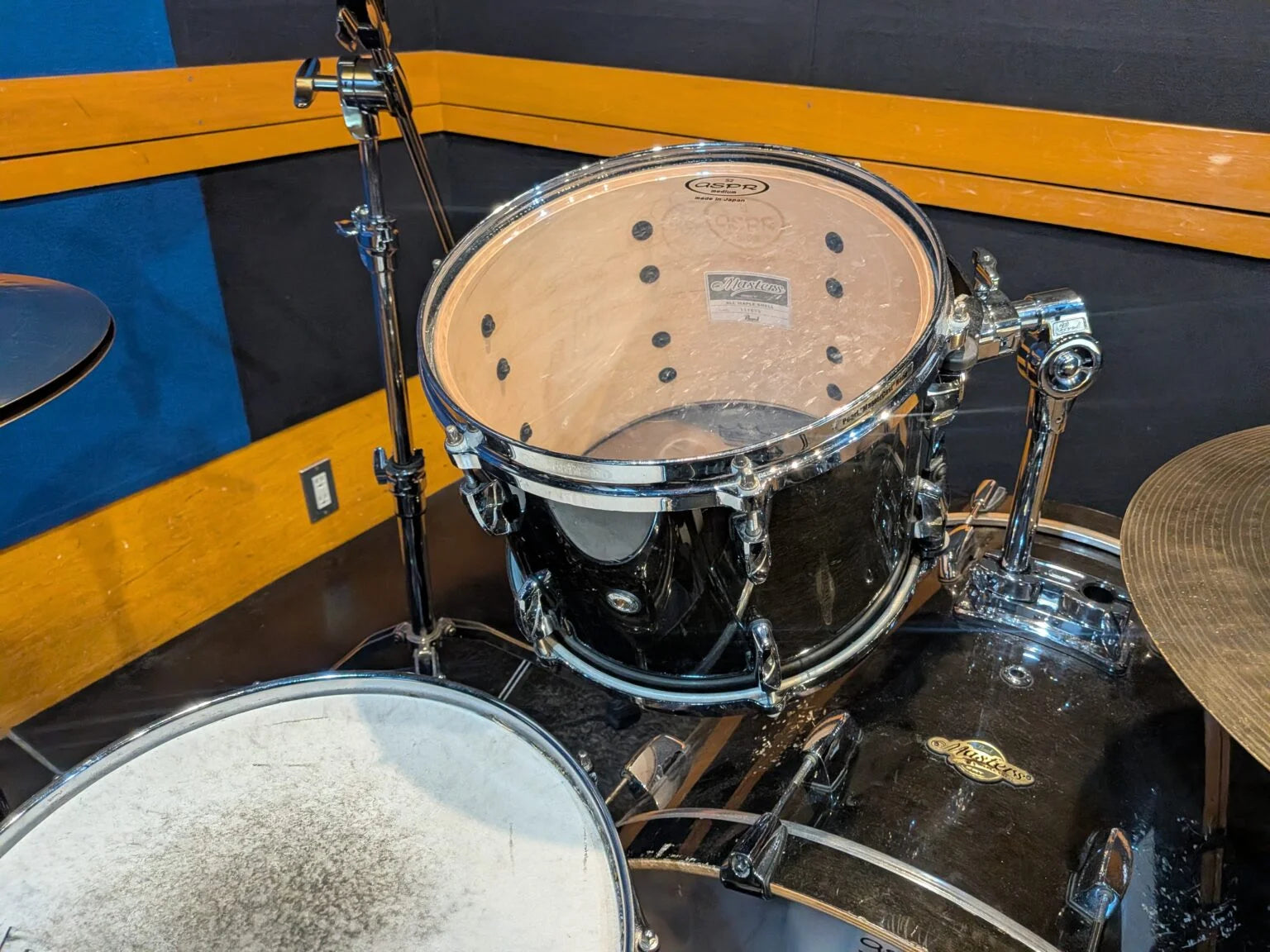
Toms (tom-toms)
Toms are used to add accents and variation within the flow of the rhythm. Lining up several sizes lets you play phrases that move between high and low.
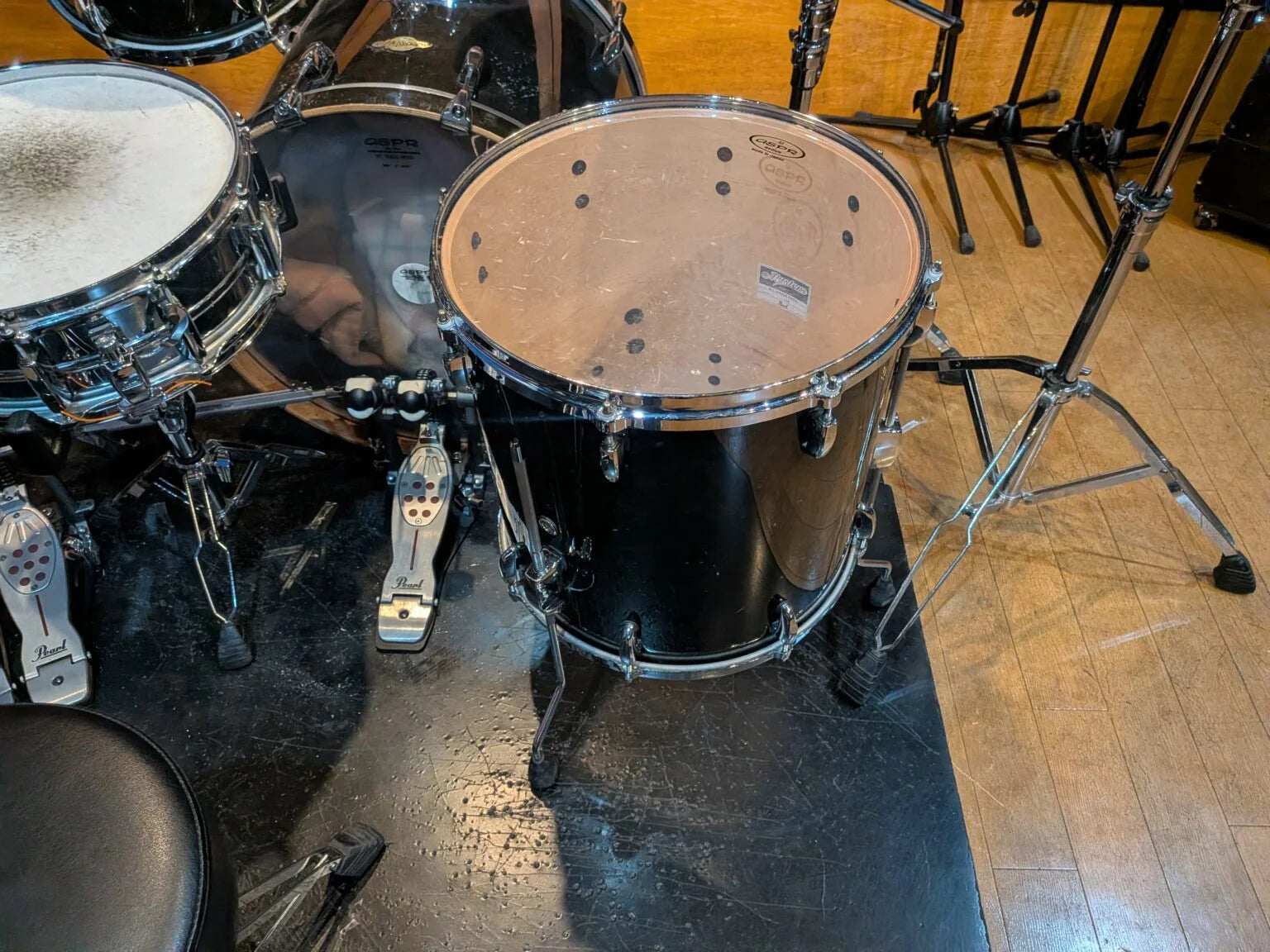
Floor tom
A large tom that stands on the floor on its own legs is called a floor tom. It is the lowest of the toms, with a deep, solid sound.
The toms give your playing movement and a sense of development.
Hi-hat: the cymbals that keep time
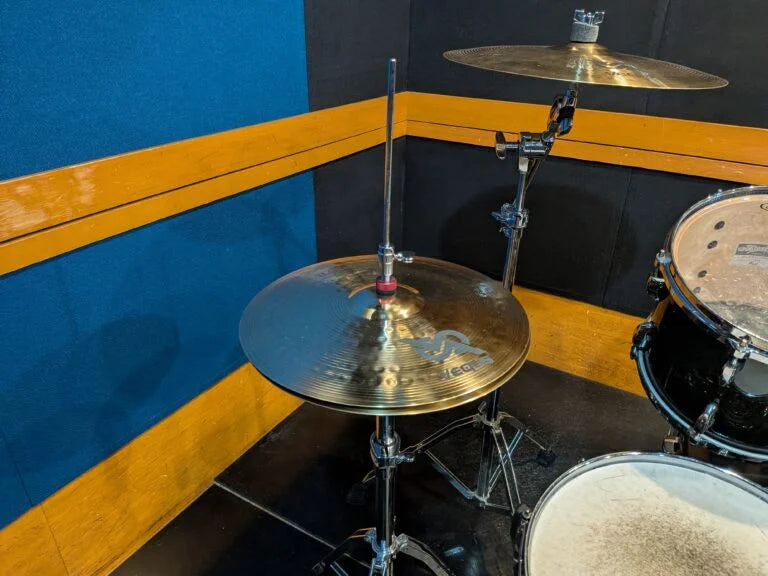
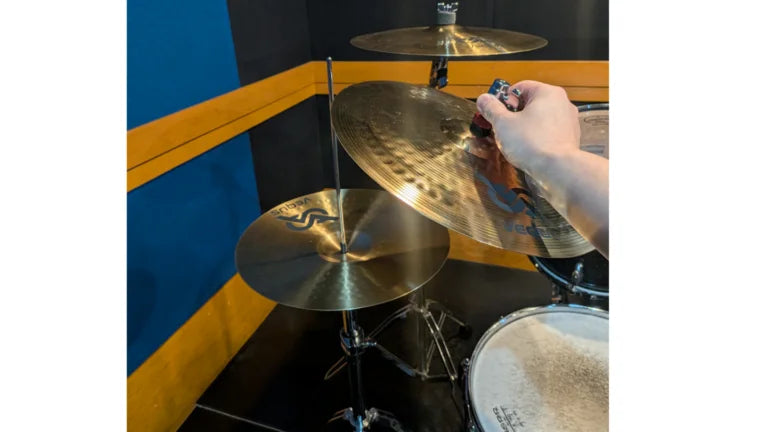
The hi-hat is a pair of cymbals, one above the other, that you open and close with a pedal. A big part of what makes it special is that you can play it with your foot as well as with sticks.
By switching between the closed and open sound, you can fine-tune the length and nuance of each note.
It usually keeps a steady pulse, supporting the stability of the whole performance.
Ride cymbal: the cymbal that holds the groove steady
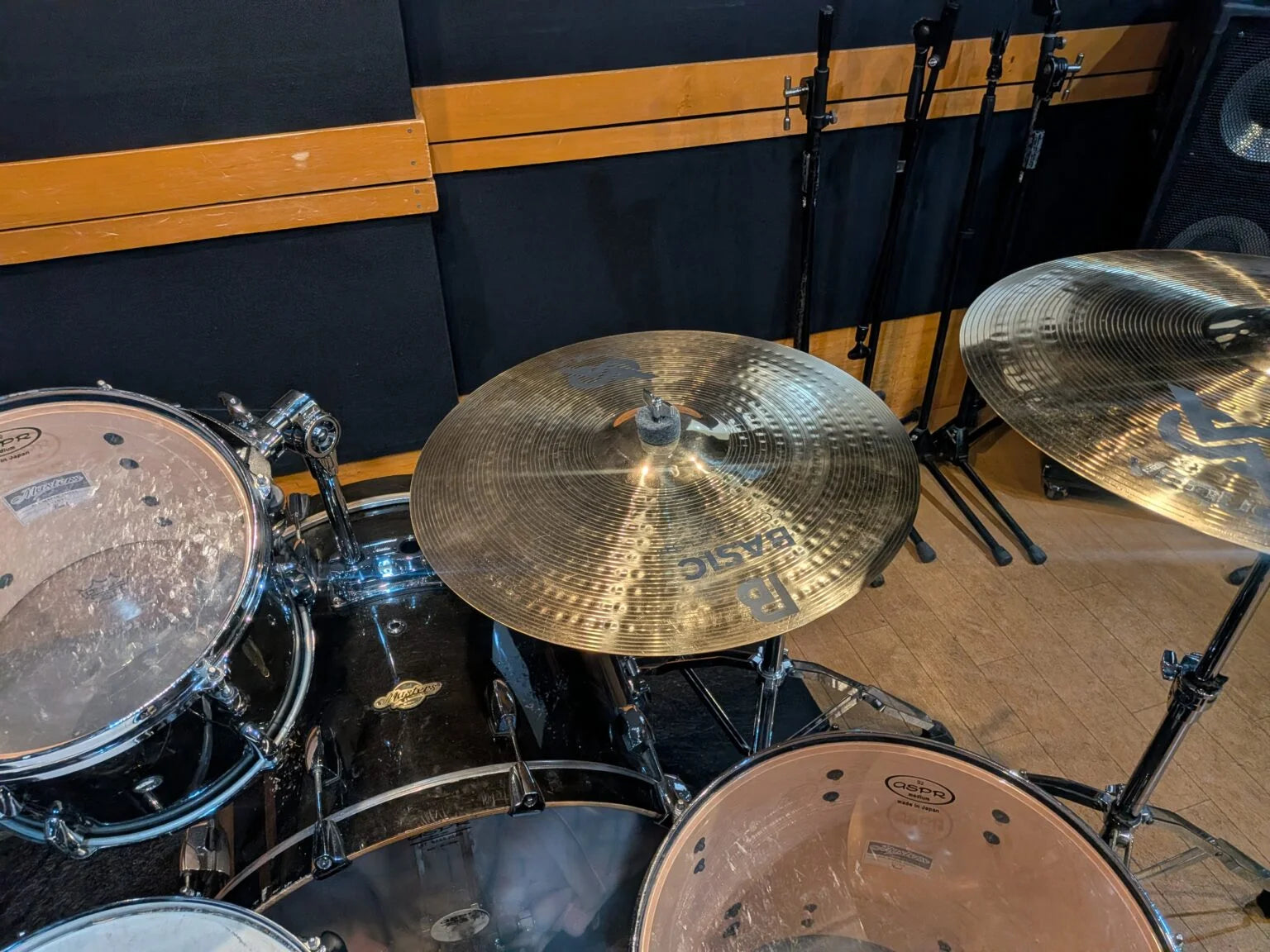
The ride cymbal is often used to keep a continuous rhythm. Like the hi-hat, it keeps the music flowing.
It is relatively large and thick, and the center (the cup, or bell) sounds different from the rest of the cymbal.
Crash cymbal: the cymbal for accents
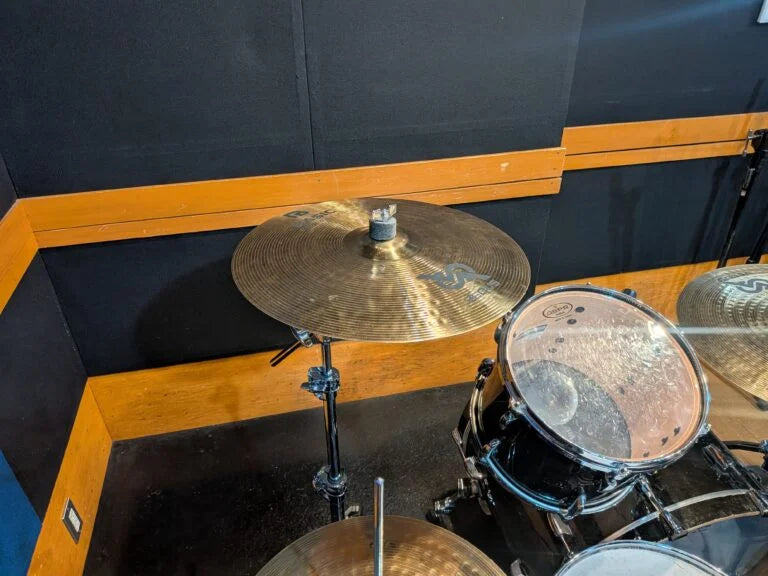
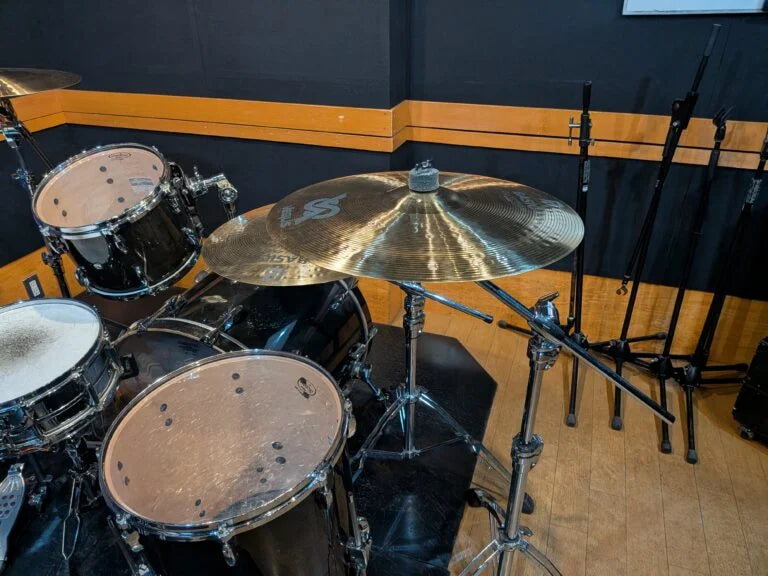
The crash cymbal is the cymbal that adds accents to your playing. When you hit it, the sound spreads out big, so it is used at transitions and the moments you want to stand out.
Sixteen to eighteen inches is the usual size, and hitting it together with the bass drum makes an even stronger impact.
Wrapping up: knowing the names and roles is the first step
A drum kit is built so that each instrument takes its own role and, together, they create one rhythm.
It may feel complicated at first, but linking each “name” to its “role” makes everything click much faster.
And the next time you see drums in a studio or at a show, knowing what each part does should change the way you hear the music.
For more on cymbals, see Types of Cymbals.