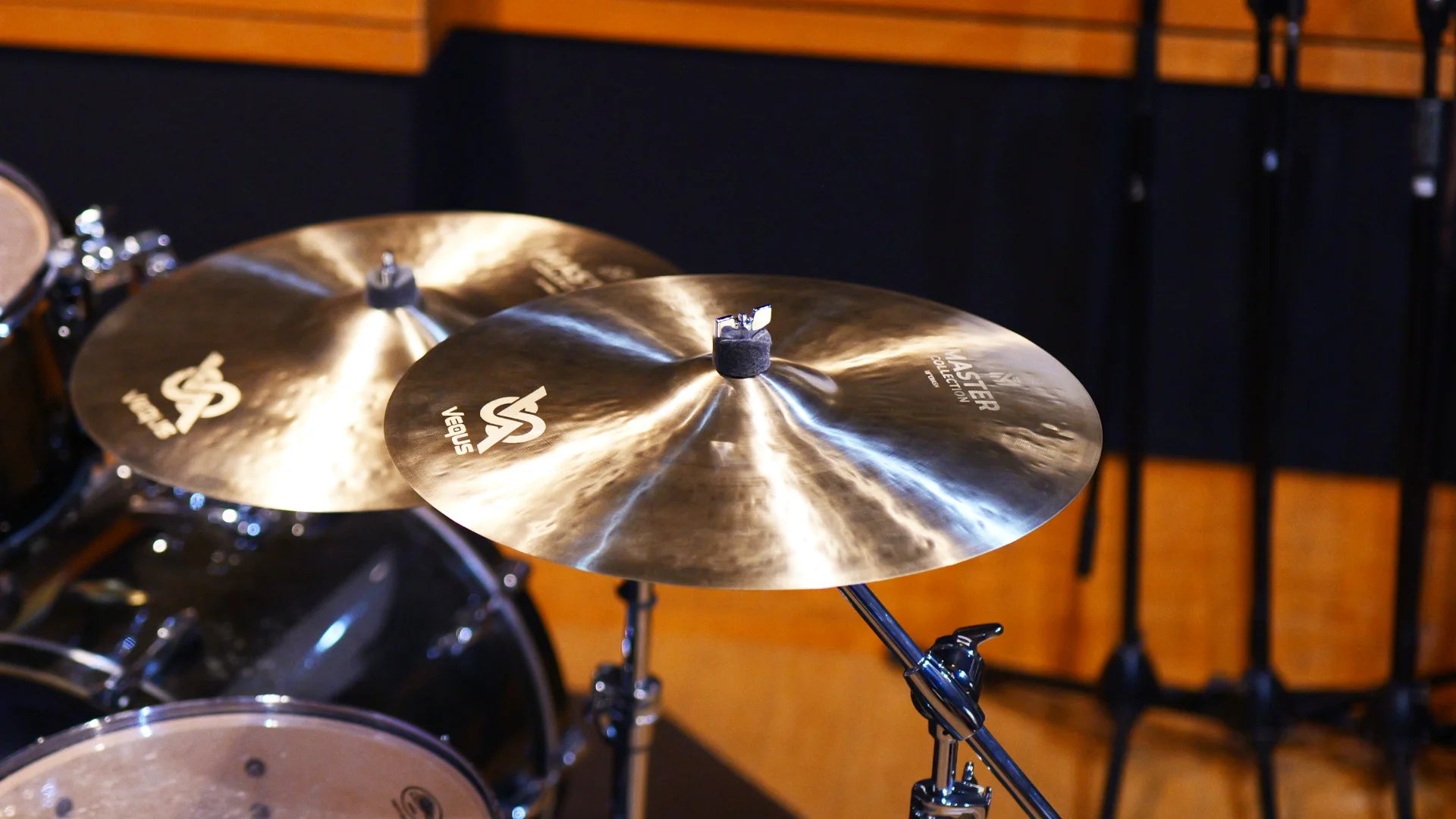
Origins: prayer, and the birth of bronze
The history of the cymbal goes back to around 3000 BC, to ancient Mesopotamia and ancient Egypt. It all began when people learned to mix copper and tin to produce bronze, an alloy that is both strong and resonant.
Cymbals of that era were not the flat discs we know today. Most were small, with a deep cup. They were used less for enjoying music than in religious rites, to ward off evil or to send a signal to the gods.
The sharp, high-pitched sound of metal striking metal was held sacred, as a sound that could reach the heavens or drive away evil spirits.
Ottoman military music and a distinctive alloy
The direct roots of today’s cymbals (Turkish-style cymbals) lie in the Ottoman Empire of the 17th century. This is where the biggest turning point in the cymbal’s history came.
Around the 17th century, in Constantinople (today’s Istanbul), a distinctive alloy based on copper and tin is said to have been established. This is the forerunner of B20 bronze (80% copper, 20% tin), still regarded as the standard for professional cymbals today.
Cymbals made from this alloy had far richer overtones and far greater durability than anything before them. At first they were instruments of the mehter, the Ottoman military band, used on the battlefield to rouse soldiers and intimidate the enemy. Before long, their overwhelming sound would captivate the world of Western classical music.
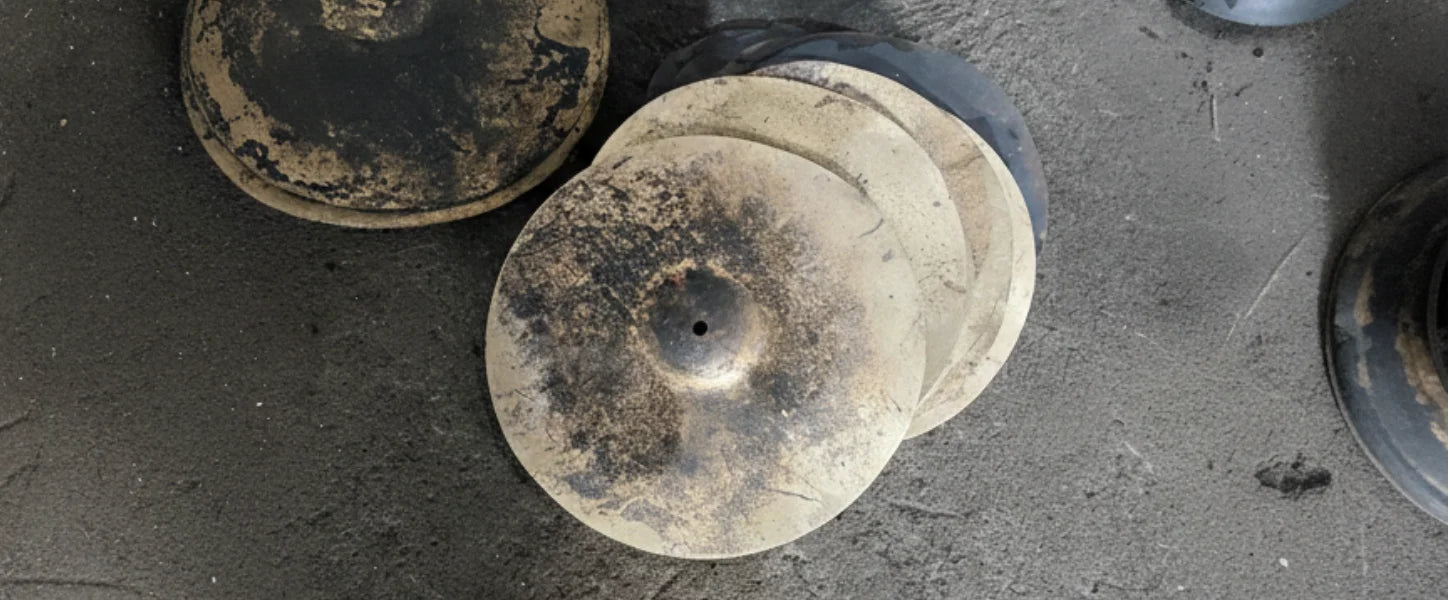
Into the orchestra, and into the modern age
In the late 18th century, composers such as Mozart and Beethoven helped popularize the “Turkish style” (alla turca), borrowing the exotic sound of Turkish military bands. With that, the cymbal secured its place as an orchestral percussion instrument.
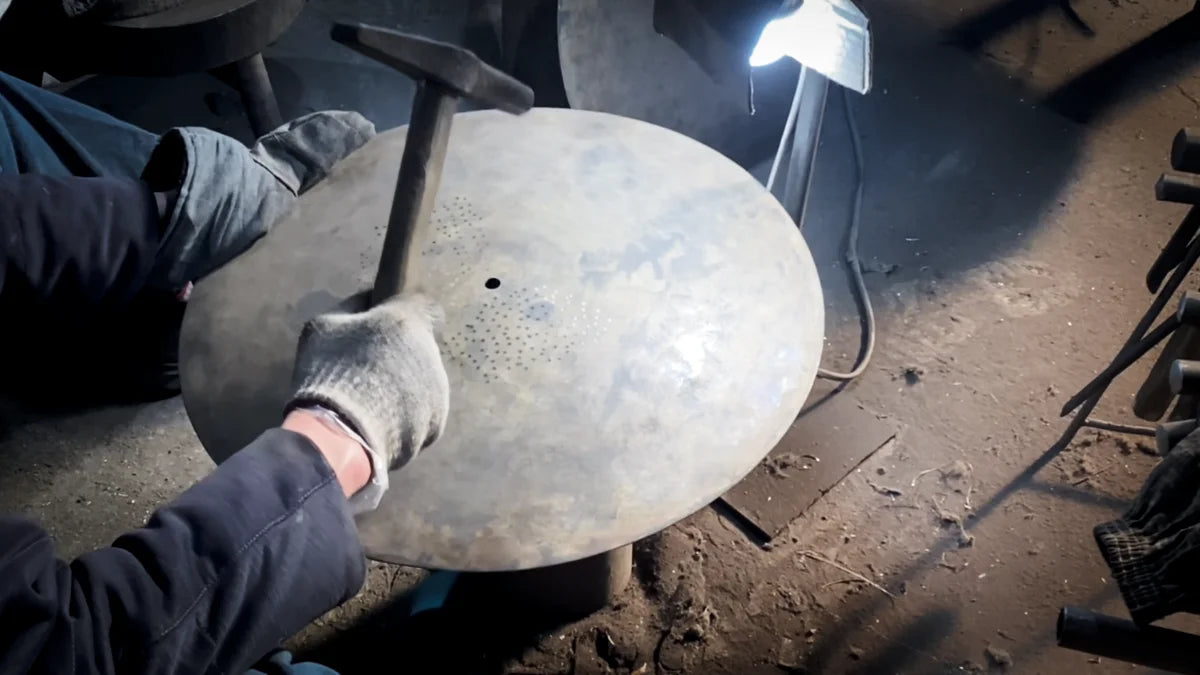
In the 19th century, manufacturing advanced on the wave of the Industrial Revolution. Even so, the surface treatment known as hammering was still left to the hands of craftsmen.
Those handmade differences from one cymbal to the next became a key part of what lifted the cymbal from a plain sheet of metal into a one-of-a-kind instrument.
The birth of jazz, and a place on the drum kit
With the birth of jazz in early 20th-century America, the cymbal’s role changed dramatically. What had been used for a single accent became an instrument for keeping time.
- The arrival of the hi-hat: It started as the “sock cymbal,” played with the foot down near the floor, and was eventually raised high enough to be played with sticks.
- The ride cymbal takes hold: In the 1940s, legendary drummers such as Kenny Clarke moved timekeeping from the snare drum to the cymbal. With that, the legato ride pattern became the heartbeat of jazz.
In this era, cymbals came to be expected to be thinner and more musical, responding to a player’s most delicate touch. This is the origin of modern jazz cymbals, and of the expressive sound we pursue ourselves.
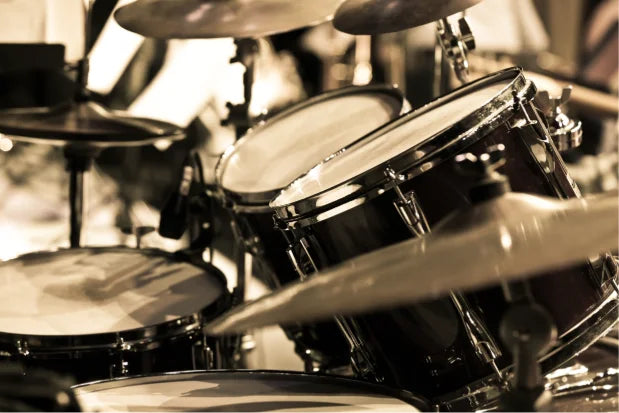
The rush of rock, and the age of power
From the late 1960s into the 1970s, as rock music surged, cymbals were asked for even more volume and durability. To compete with loud guitar amplifiers, cymbals got thicker, with bigger bells.
This period also saw the spread of more consistent manufacturing using sheet bronze (such as B8 alloy). On professional stages, though, the traditional sound of hand-hammered B20 bronze has continued to be seen as the ultimate.

From today into the future: the reality around cymbals, and a choice
Today, cymbal making keeps evolving through a blend of tradition and design. Behind that, though, there is a reality we cannot avoid.
With changes in the world economy and rising prices, cymbals have gone beyond being everyday tools of the trade and become high-end instruments that are hard to get hold of.
Looking back on my own experience, I have watched friends give up on music for financial reasons and let go of instruments they treasured, more times than I can count. An instrument that should support the freedom to express yourself ends up, because of its price, standing in the way of a drummer’s passion. For the music scene, there is nothing sadder.
The future we at VEQUS envision is not about making works of art for a select few to admire.
Uncompromising Value and Quality, for all of Us.
The idea behind our name is not just a slogan. It is a promise to all of us who love music.
By quality-engineering our cymbals in Japan and working directly with overseas workshops that have world-class skills, we cut out everything unnecessary and pursue real sound that is ready for the stage from day one. We do it so that as many drummers as possible can get the sound they dream of without compromise, and keep moving forward with music, for the sake of who we once were and the friends we remember.
So that everyone who loves the drums, and the wonderful instrument that is the cymbal, can keep standing on stage with pride. VEQUS hopes to stay close to drummers and keep backing every challenge they take on.